
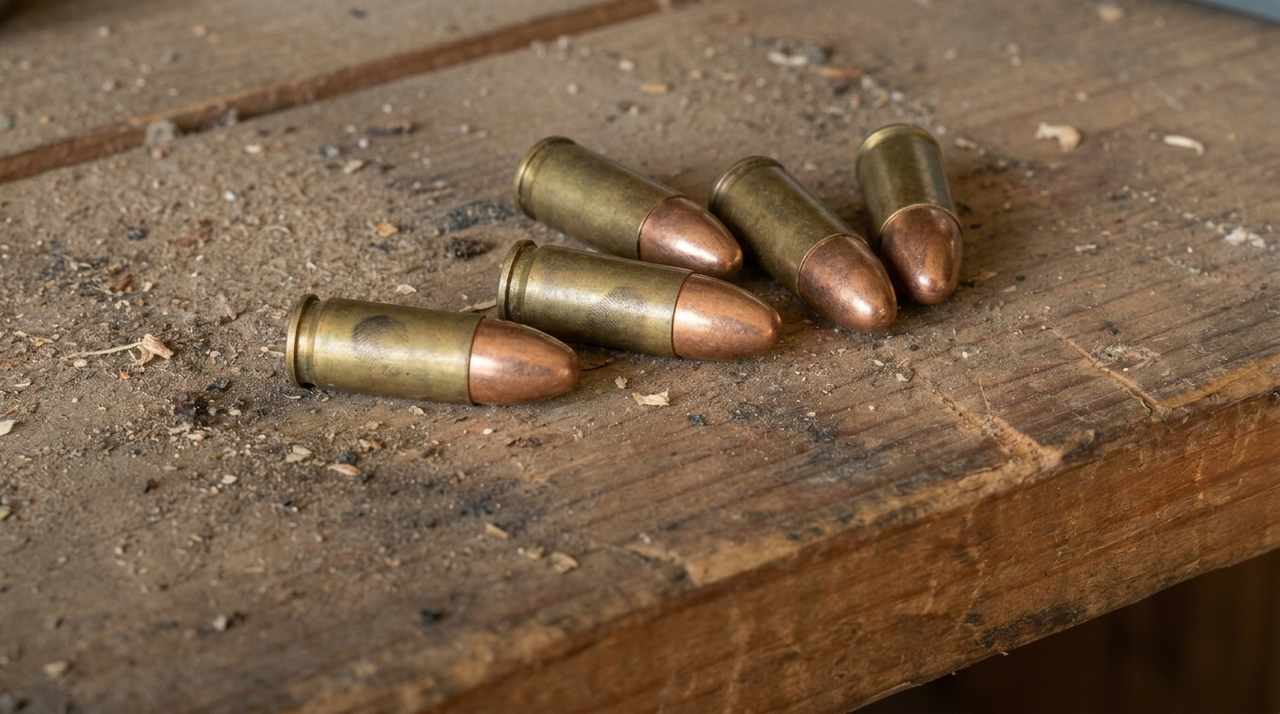
What Happens When You Shoot Expired Ammunition
Sep 28th 2026
What Happens When You Shoot Expired Ammunition
Ammunition Doesn't Have an Expiration Date
Unlike food or medicine, ammunition doesn't come with a printed expiration date. There is no regulatory requirement for one because ammunition doesn't expire in the traditional sense. It degrades. And the rate of degradation depends almost entirely on how it was stored.
Properly stored ammunition (cool, dry, sealed from humidity) can remain reliable for 50 years or more. Military surplus ammunition from the 1960s still fires reliably when it's been kept in sealed cans. The components (brass, primer compound, propellant, and projectile) are all stable materials that don't break down under normal conditions.
Improperly stored ammunition can degrade in as little as a few years. Heat, humidity, and temperature cycling accelerate the chemical breakdown of the propellant and primer, reducing reliability and consistency.
What Actually Degrades
The primer compound. Primer compounds are impact-sensitive chemicals that break down over time, especially when exposed to heat and moisture. A degraded primer may produce a weaker spark, a delayed ignition (hangfire), or no ignition at all (misfire). Primer degradation is the most common failure mode in old ammunition.
The propellant. Smokeless powder is chemically stable but not immune to degradation. Heat accelerates the breakdown of the stabilizer chemicals added to the powder during manufacturing. As the stabilizer depletes, the powder begins to decompose, producing acidic gases that further accelerate the process. Severely degraded powder can produce dangerously inconsistent pressures.
The case seal. The seal between the bullet and the case mouth, and between the primer and the primer pocket, can weaken over time. Moisture intrusion through a compromised seal degrades the primer and powder from the inside. You can't always see this from external inspection.
What Happens When You Fire Degraded Ammunition
Misfires. You pull the trigger, the firing pin strikes the primer, and nothing happens. The most likely cause is a degraded primer compound that no longer produces enough flame to ignite the propellant. This is the most common and least dangerous failure. Keep the gun pointed downrange for 30 seconds in case of a hangfire, then clear the round.
Hangfires. The primer fires but there's a noticeable delay before the propellant ignites. This is the most dangerous failure because the round can fire after you've started to address the malfunction. A hangfire can happen when the primer produces a weak flame that takes longer to ignite partially degraded powder. Always wait at least 30 seconds after a suspected hangfire before opening the action.
Reduced velocity. Degraded propellant may not burn completely or consistently, producing lower chamber pressure and lower muzzle velocity. In a semi-automatic, this can cause short-stroking (the slide doesn't travel far enough rearward to cycle the action). In any platform, reduced velocity means reduced terminal performance if the ammunition is used defensively.
Inconsistent velocity. Perhaps more dangerous than uniformly reduced velocity is inconsistent velocity from round to round. One round fires normally. The next is noticeably weaker. The one after that feels normal again. This inconsistency makes the gun unpredictable and accuracy impossible to maintain.
Squib loads. In extreme cases of propellant degradation, a round may generate enough pressure to push the bullet partway down the barrel but not enough to exit it. This is called a squib load, and it's extremely dangerous because firing a subsequent round into an obstructed barrel can cause a catastrophic failure. If you fire a round that sounds weak or "pop-like" instead of a normal bang, stop immediately, unload, and check the barrel.
How to Evaluate Old Ammunition
Visual inspection. Look at the brass for corrosion, green oxidation, or pitting. Check the primer for discoloration or signs of moisture damage. Look at the bullet seating: has the bullet been pushed deeper into the case (setback) or is it loose? If the brass is heavily corroded or the primer looks compromised, don't shoot it.
The smell test. Open the container and smell the ammunition. Healthy propellant has a faint chemical smell or no smell at all. Severely degraded propellant produces a sharp, acidic, vinegar-like odor. If your old ammo smells like vinegar, dispose of it. The powder is decomposing.
The rattle test. Pick up a round and shake it gently. You shouldn't feel or hear the powder moving freely inside. If the powder has broken down into a fine dust that rattles audibly, it's degraded beyond safe use.
Test a few rounds. If the ammunition passes visual and smell inspection, fire a few rounds at the range and pay attention. Does it sound normal? Does the recoil feel consistent? Is the gun cycling properly? If anything feels off, stop and dispose of the rest.
How to Dispose of Bad Ammunition
Do not throw ammunition in the trash. Do not attempt to disassemble it. Do not burn it. Most local police departments and gun ranges accept old ammunition for disposal. Some hazardous waste collection programs include ammunition. Call your local range or police non-emergency line for guidance.
The Bottom Line
Old ammunition doesn't automatically become dangerous. Properly stored ammunition lasts for decades. But improperly stored ammunition degrades in ways that range from annoying (misfires) to dangerous (hangfires and squib loads).
If you have old ammunition, inspect it before you trust it. If it looks good, smells normal, and fires consistently through a few test rounds, it's probably fine. If anything is off, dispose of it properly and replace it with fresh stock.
The ammo you can trust is the ammo you've verified. Everything else is a question mark.
Fresh Ammo. Consistent Performance.
IKONICK USA ammunition is manufactured fresh with quality components designed for long-term reliability when stored properly.
Shop Ammunition