
The 5 Most Common Ammo Storage Mistakes (and How to Fix Them)
Sep 17th 2026
The 5 Most Common Ammo Storage Mistakes (and How to Fix Them)
Mistake #1: Storing Ammo in the Garage or Attic
This is the most common mistake and the most damaging. Garages and attics experience extreme temperature swings, especially in southern climates. A Florida garage can hit 130+ degrees in summer and drop below 40 in winter. Those temperature cycles accelerate the degradation of propellant and primer compounds.
Heat is the primary enemy. Sustained high temperatures break down the chemical composition of the propellant, leading to inconsistent burn rates and velocity variation. Over months and years, this degradation compounds. Your ammunition doesn't suddenly fail. It gradually becomes less reliable and less consistent.
The fix: Store ammunition in a climate-controlled space. A closet, a spare room, or a basement that stays between 55 and 75 degrees year-round is ideal. The ammunition doesn't need its own room. It just needs to be inside the same climate envelope where you live.
Mistake #2: Ignoring Humidity
Moisture is the second biggest threat to ammunition longevity. Humidity causes corrosion on brass casings, degrades primer compounds, and can eventually penetrate the case mouth or primer seal if exposure is sustained.
You might not see the damage immediately. A thin layer of verdigris (green oxidation) on the brass is the first visible sign. By the time you see it, the moisture has already been working on the primer and propellant for a while.
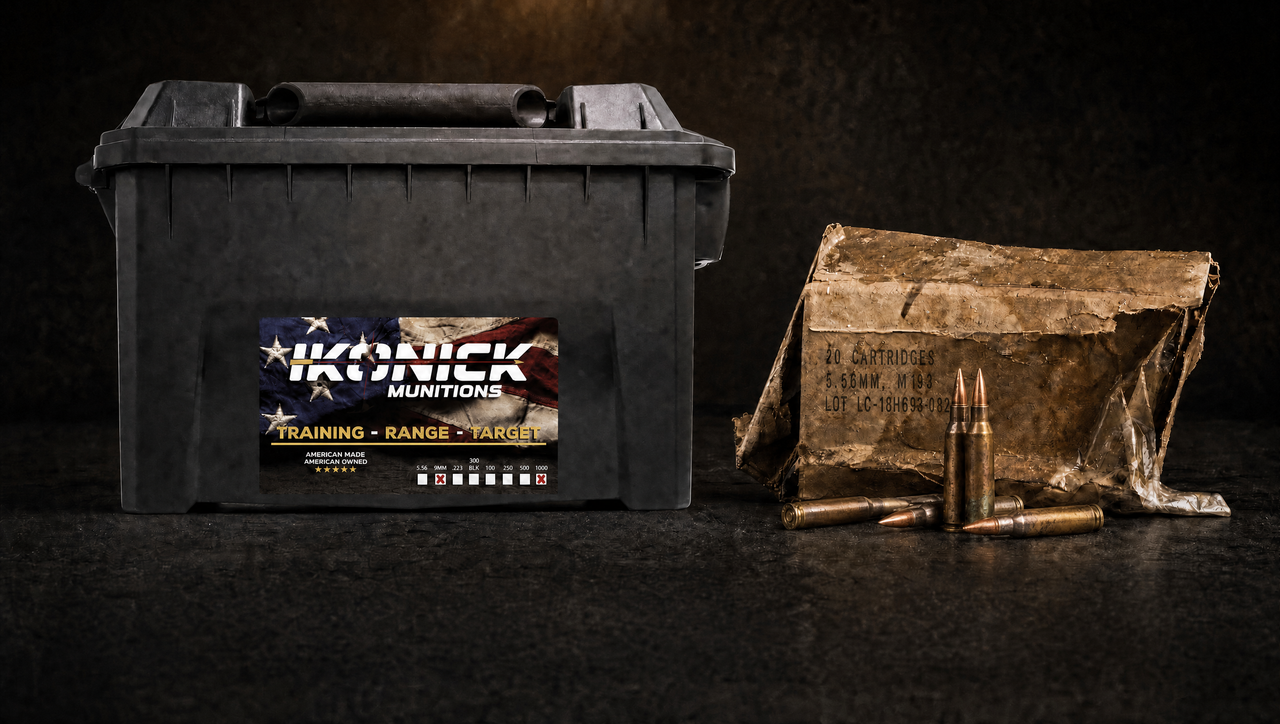
The fix: Keep ammunition in sealed containers with desiccant packs. Ammo cans with rubber gasket seals work well. Plastic ammo boxes with snap closures are better than leaving boxes open on a shelf. Replace desiccant packs periodically (most change color when saturated). If you live in a high-humidity climate, a small dehumidifier in your storage area is a worthwhile investment.
Mistake #3: Storing Ammo in the Original Cardboard Boxes Long-Term
Cardboard ammunition boxes are designed for retail display and transport, not long-term storage. Cardboard absorbs moisture, provides zero seal against humidity, and breaks down over time. It's also more susceptible to pest damage (insects and rodents will chew through cardboard).
The ammunition itself isn't in immediate danger inside a cardboard box. But over years, the lack of a moisture barrier means the brass is exposed to whatever humidity exists in the surrounding environment.
The fix: Transfer ammunition to sealed ammo cans or airtight plastic containers for long-term storage. Metal ammo cans with intact rubber gaskets are the gold standard. Label each can with caliber, grain weight, lot number, and the date you stored it. Keep the original boxes inside the can if you want to maintain lot tracking.
Mistake #4: Not Rotating Carry Ammunition
Your carry ammunition lives in the most hostile environment possible: pressed against your body, exposed to sweat, jostled daily, and subjected to temperature changes every time you walk from an air-conditioned building into summer heat.
Most shooters load their carry gun and forget about the ammunition for months or even years. The rounds in your magazine and chamber are slowly degrading from body heat, moisture, and handling. The bullet may develop a slight setback from repeated chambering. The primer compound is exposed to salt from perspiration.
The fix: Rotate your carry ammunition every three to six months. Shoot the old carry ammo at the range (this doubles as a function check with your defensive load) and replace it with fresh rounds. Inspect each round before loading: check for corrosion, bullet setback, and any discoloration. If a round looks questionable, replace it.
Mistake #5: Storing Ammunition Loose in a Drawer or Bag
Loose ammunition rolling around in a drawer, range bag, or glove compartment is exposed to every environmental factor with zero protection. It's also a safety consideration: loose ammunition mixed with other objects increases the (admittedly small) risk of a primer strike from impact.
Beyond safety, loose storage leads to disorganization. You end up with mixed calibers, unknown lot numbers, and rounds of varying ages all jumbled together with no way to track what's what.
The fix: Keep ammunition organized in its original packaging or in dedicated ammo trays inside sealed containers. If you keep a supply in your range bag, use a small ammo box or pouch rather than dumping loose rounds into a pocket. For vehicle storage, use a small locking ammo can rather than leaving rounds in the glove compartment or console.
The Bonus Mistake: Never Checking Your Stored Ammo
Even properly stored ammunition should be inspected periodically. Once or twice a year, open your storage containers and check for signs of corrosion, moisture intrusion, or desiccant saturation. Pull a few rounds and inspect the brass, primer, and bullet seating.
If your desiccant has changed color, replace it. If you see any corrosion, separate those rounds and either shoot them soon or dispose of them. If everything looks clean and dry, close it up and check again in six months.
The Bottom Line
Ammunition stored in a climate-controlled space, in sealed containers with desiccant, will last for decades. Ammunition stored in a hot garage, in open cardboard boxes, with no moisture protection, will degrade in ways you might not notice until you need it to perform.
The fixes are cheap and simple. A few ammo cans, some desiccant packs, and a space inside your house instead of the garage. That's the difference between ammunition you can trust and ammunition you're gambling on.
Store it right and it's there when you need it. Store it wrong and you won't know until it's too late.
Ammunition Worth Storing Right
IKONICK USA ammunition is loaded in quality reloadable brass with sealed primers, built for long-term reliability when stored properly.
Shop Ammunition