
Concealed Carry in Summer: Lighter Guns, Lighter Loads, Different Considerations
Aug 21st 2026
Concealed Carry in Summer: Lighter Guns, Lighter Loads, Different Considerations
The Summer Carry Problem
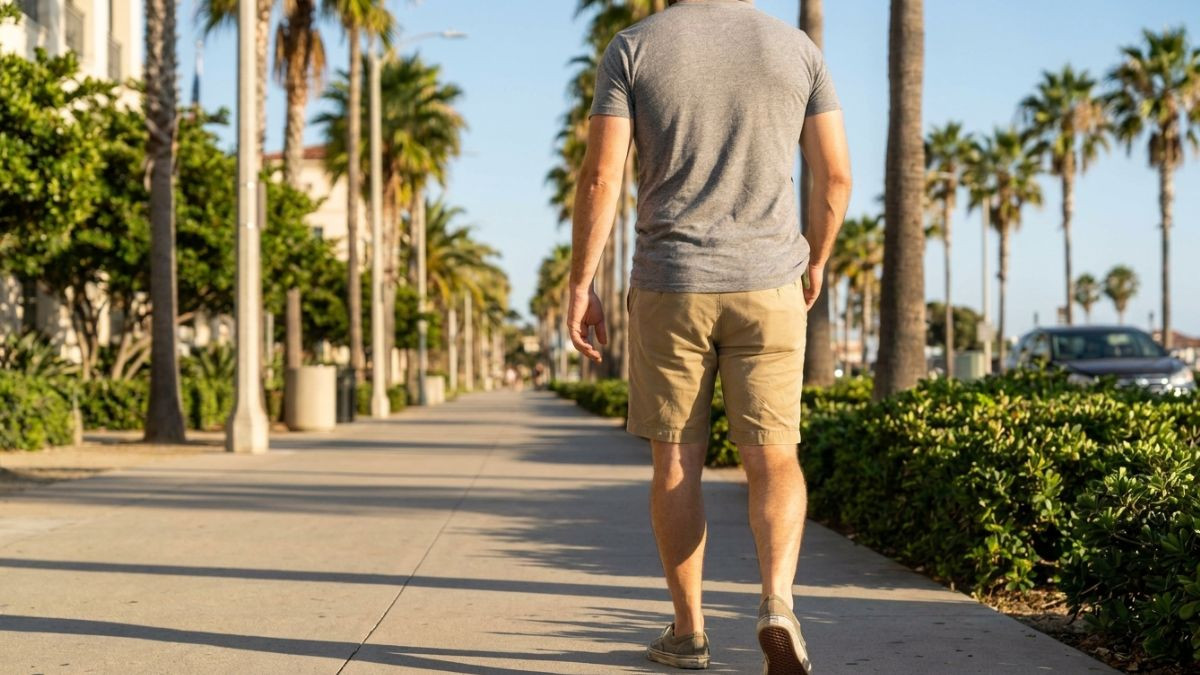
Concealment in warm weather is harder. Lighter clothing, thinner fabrics, and fewer layers make it more difficult to hide a firearm. The practical result is that many carriers switch from their cold-weather gun to something smaller and lighter.
Common transitions include moving from a compact or full-size pistol to a subcompact or micro-compact, moving from a double-stack magazine to a single-stack or a 1.5-stack for a thinner profile, or moving from belt carry to pocket carry or appendix carry with a smaller holster.
Each of these changes affects how your ammunition performs. The gun is lighter, the barrel is shorter, the grip is smaller, and the magazine holds fewer rounds. Everything downstream from those physical changes is different.
Shorter Barrels Mean Lower Velocity
This is the most important ammunition consideration when switching to a smaller gun. Barrel length directly affects muzzle velocity, and muzzle velocity directly affects terminal performance.
Propellant gases continue accelerating the bullet as long as it's in the barrel. When the barrel is shorter, the bullet exits sooner, before all the powder has burned and before maximum velocity is achieved.
Velocity Loss by Barrel Length (9mm 124gr, approximate)
4.5" barrel: ~1,150 fps (typical full-size test barrel)
3.7" barrel: ~1,080 fps (compact)
3.1" barrel: ~1,020 fps (subcompact/micro)
That's roughly 25 fps lost per half-inch of barrel. The exact numbers vary by load, powder type, and barrel specs, but the trend is consistent.
Why this matters: hollow point expansion is velocity-dependent. Most defensive hollow points are designed to expand reliably above a certain velocity threshold. If your shorter barrel drops velocity below that threshold, the bullet may not expand as designed. It might partially expand, barely expand, or behave more like a full metal jacket round.
This doesn't mean your ammunition is useless from a shorter barrel. It means you should verify that your chosen defensive load still performs from your summer gun's barrel length. Not all loads are affected equally. Some are specifically engineered to expand at lower velocities.
Lighter Guns and Recoil
Physics doesn't care about comfort. A lighter gun firing the same ammunition produces more felt recoil. The bullet's momentum is the same regardless of the gun's weight, but a lighter gun absorbs less of that momentum before transferring it to your hands.
A 9mm +P load that feels manageable in a 30-ounce compact pistol can feel genuinely unpleasant in an 18-ounce micro. The snap is sharper, muzzle flip is more pronounced, and follow-up shots are slower.
This creates a practical problem: if the recoil from your chosen defensive load is harsh enough that it affects your accuracy or your willingness to practice with it, the ammunition isn't serving you well regardless of its terminal performance on paper.
Ammunition Adjustments for Summer Carry
When you switch guns for summer, evaluate your ammunition choice with these factors in mind:
Standard pressure vs. +P. If you carry +P ammunition in your full-size winter gun, consider whether it's necessary (or pleasant) in your summer gun. Standard-pressure defensive loads produce less recoil in lightweight guns and may still meet your performance requirements. The velocity advantage of +P ammunition is partially negated by the shorter barrel anyway.
Bullet weight. Heavier bullets (like 147gr 9mm) tend to be loaded to lower velocities and are less affected by barrel length reductions than lighter, faster bullets. A 147gr load designed for subsonic velocities will perform closer to spec from a short barrel than a 115gr load that relies on high velocity for expansion.
The Short-Barrel Advantage of Heavy Bullets
A 115gr bullet loaded to 1,200 fps from a 4.5" barrel might drop to 1,050 fps from a 3.1" barrel. That's a 12.5% velocity loss, and it might cross below the expansion threshold.
A 147gr bullet loaded to 1,000 fps from a 4.5" barrel might drop to 950 fps from a 3.1" barrel. That's only a 5% loss, and since the bullet was designed for lower velocities in the first place, it's more likely to still expand reliably.
Bullet construction. Loads specifically designed for short barrels use powder charges and bullet constructions optimized for lower velocities. These are worth seeking out if your summer gun has a barrel under 3.5 inches. Standard defensive loads tested from 4+ inch barrels may not deliver the same results from your micro-compact.
Magazine Capacity and Round Selection
Smaller guns hold fewer rounds. A full-size pistol might carry 17+1. A micro-compact might carry 10+1 or less. This is a real reduction in capability that your ammunition selection can partially address.
With fewer rounds available, each one matters more. This is an argument for the most reliable, most effective defensive load you can find for your specific gun. It's not the time to carry budget ammunition or a load you haven't thoroughly tested in that specific firearm.
Run at least 100 to 200 rounds of your chosen defensive load through your summer carry gun before trusting it. Smaller guns are pickier about ammunition than larger ones. Tighter tolerances, shorter feed ramps, and lighter slides create more opportunities for cycling problems.
Heat and Ammunition Storage
Summer introduces a variable that most other seasons don't: sustained heat exposure. If your firearm is in a vehicle, a glove box, or a console safe during summer, it can be exposed to temperatures well above 120 degrees Fahrenheit.
Modern ammunition is remarkably heat-tolerant. SAAMI specifications require ammunition to be safe at temperatures up to 150 degrees Fahrenheit. Short-term exposure to vehicle interior temperatures is not going to cause your ammunition to cook off in the gun.
However, sustained heat accelerates degradation. Repeated exposure to extreme heat over weeks or months can degrade the propellant and primer compounds. The practical effect is reduced velocity consistency and, in extreme cases, ignition reliability issues.
The fix is simple: rotate your carry ammunition more frequently in summer. Instead of replacing it once or twice a year, swap in fresh rounds every two to three months if your gun is regularly exposed to vehicle heat. Shoot the rotated ammunition during practice so nothing goes to waste.
Sweat, Moisture, and Corrosion
Body heat and perspiration are constant companions during summer carry. Depending on your carry position, your firearm and ammunition are exposed to moisture from sweat throughout the day.
Modern ammunition uses sealed primers and case-mouth sealant to resist moisture intrusion. But prolonged, repeated exposure to a salty, corrosive environment (which is exactly what human sweat is) can affect both the firearm and the ammunition over time.
- Inspect your carry ammunition regularly. Look for discoloration, corrosion, or verdigris (green oxidation) on the brass cases. If you see it, replace those rounds.
- Wipe down your ammunition when you clean your gun. A quick inspection during your regular maintenance takes seconds.
- Nickel-plated cases resist corrosion better than bare brass. If your chosen defensive load is available in nickel-plated brass, it's a practical advantage for body-carry in summer.
Practice With What You Carry
This applies year-round, but it's especially important when you switch platforms for summer. Your summer gun has a different grip angle, different trigger, different sight picture, and different recoil character than your winter gun. You need to practice with it, not just holster it and assume your skills transfer.
At minimum, run a box or two of your training ammunition through your summer gun every month to maintain familiarity. Practice your draw from your summer carry position. Practice with the grip you actually have on the smaller gun, not the grip you wish you had.
And practice with your carry ammunition periodically. Fire a magazine of your defensive load to confirm it still functions, confirm your point of aim matches your point of impact, and remind yourself what the recoil feels like. This isn't wasted ammunition. It's confirmation that your system works.
The Compromise Is Real
Summer carry involves genuine compromises. A smaller gun with a shorter barrel, lighter frame, and fewer rounds is objectively less capable than a larger one. Acknowledging that isn't defeatist; it's honest. The question isn't whether compromises exist. It's whether you've accounted for them and made informed choices about your ammunition and training.
A well-chosen load in a small gun you shoot well and carry every day beats a perfect load in a full-size gun you left at home because it was too hard to conceal.
The Bottom Line
When your carry setup changes for summer, your ammunition strategy should change with it. Verify expansion from your shorter barrel. Evaluate whether +P is still appropriate in a lighter gun. Rotate ammunition more frequently against heat exposure. And train with your summer rig enough that you trust it.
The gun you carry is only as effective as the ammunition inside it, and that ammunition only performs as well as the platform allows.
Dress for the season. Carry for the season. Choose your ammunition for the gun you're actually wearing.
Ammunition That Performs From Short Barrels
IKONICK USA loads are tested across barrel lengths and designed to deliver consistent performance from the guns you actually carry.
Shop Defensive Ammo