
Bullet Expansion Testing: What Gel Tests Actually Tell You (and What They Don't)
Jul 17th 2026
Bullet Expansion Testing: What Gel Tests Actually Tell You (and What They Don't)
What Ballistic Gel Is
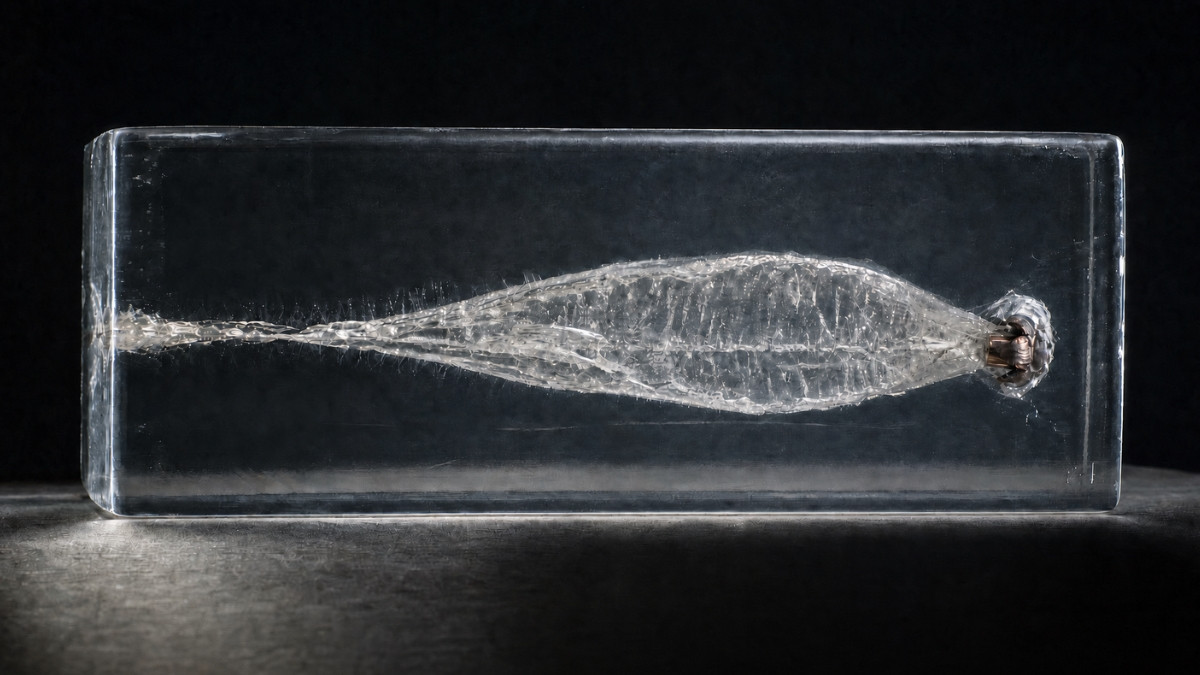
Ballistic gelatin is a standardized testing medium designed to approximate the density and resistance of human soft tissue. The FBI protocol uses 10% ordnance gelatin calibrated to a specific density at a specific temperature.
The key word is "approximate." Gel is a uniform, consistent medium. Human tissue is not. Gel doesn't have bones, organs, fat layers, clothing, or varying density. It provides a controlled baseline for comparison, not a prediction of real-world performance.
Think of gel testing like a standardized test for ammunition. It measures specific things under specific conditions. It's useful for comparing one load to another. It's not useful for predicting exactly what will happen in an uncontrolled real-world scenario.
What Gel Tests Measure Well
Penetration depth. This is the most useful data point from gel testing. How deep does the bullet travel before stopping? The FBI standard of 12 to 18 inches exists because that depth range reliably reaches vital structures through various shot angles and intermediate barriers.
Expansion diameter. Gel shows how wide a hollow point opens up during penetration. A bullet that starts at 0.355 inches (9mm) and expands to 0.60 inches has nearly doubled its frontal area, creating a wider wound channel.
Weight retention. Recovering the bullet from gel tells you how much of its original weight it maintained. A bullet that starts at 124 grains and retains 122 grains held together well. One that retains 80 grains lost significant material through fragmentation.
Consistency. Shooting multiple rounds of the same load into gel shows you how consistent the expansion and penetration are. If five rounds all expand to similar diameters and penetrate to similar depths, the load is predictable. If one expands perfectly and another barely opens, consistency is a problem.
What Gel Tests Don't Measure Well
Temporary cavity relevance. Gel captures dramatic temporary stretch cavities, especially with high-velocity rifle rounds. These look spectacular in slow motion but are misleading. In elastic tissue (muscle, skin, most organs), the temporary cavity largely rebounds without causing permanent damage. The permanent cavity, the hole the bullet physically creates, is what matters.
The Temporary Cavity Trap
Gel blocks show massive temporary cavities from rifle rounds because gel is less elastic than tissue. It holds the stretch cavity longer and more dramatically than real tissue does. A gel test that shows a football-sized temporary cavity will produce a much smaller zone of actual tissue damage in a real-world scenario.
This is why comparing temporary cavity size between loads is largely meaningless. Compare permanent cavity and penetration instead.
Barrier performance variation. FBI protocol includes testing through heavy clothing, drywall, plywood, steel, and auto glass. These tests are valuable, but they use standardized barriers. Real-world barriers vary enormously. The drywall in your house might be different thickness than the test standard. The auto glass in a 2024 truck is different from the test glass. Barrier testing gives you relative performance between loads, not absolute prediction through specific barriers.
Velocity-dependent performance. Gel tests are typically conducted at a single distance and velocity. But your barrel length might produce different velocities than the test barrel. A hollow point designed to expand at 1,050 fps from a 4-inch barrel might not expand reliably at 950 fps from your 3-inch carry gun. Most gel tests don't account for this.
Bone interaction. Gel has no bones. A bullet that performs perfectly in gel might behave completely differently after hitting a rib, sternum, or pelvis. Some bullets deflect. Some fragment. Some plow through. Gel can't tell you which your chosen load will do.
The FBI Protocol: Why It Matters
The FBI's ammunition testing protocol is the closest thing to an industry standard for evaluating defensive ammunition. It matters because it tests across multiple conditions, not just bare gel.
FBI Test Events
Bare gelatin: Baseline performance with no barriers
Heavy clothing: Four layers of fabric (cotton, denim, down, cotton) over the gel face
Wallboard: Two pieces of drywall before the gel
Plywood: 3/4-inch plywood before the gel
Steel: 20-gauge steel plate before the gel
Auto glass: Laminated automotive windshield glass at a 45-degree angle before the gel
A load that performs well across all six events is genuinely barrier-blind. A load that performs well in bare gel but falls apart through clothing or glass is not a reliable defensive choice, no matter how impressive the bare-gel expansion looks.
When evaluating gel test data, look for consistent penetration (12 to 18 inches) across all barrier events, not just the prettiest expansion in bare gel.
How to Read Gel Test Results
When you're watching a gel test video or reading a test report, focus on these data points in this order:
1. Penetration depth across all events. Does it stay in the 12 to 18 inch window even after barriers? If it over-penetrates or under-penetrates through barriers, that's a problem regardless of how well it expands in bare gel.
2. Expansion consistency. Do all rounds expand to similar diameters? A load where one round opens to 0.65 inches and the next barely opens to 0.40 inches is unpredictable. You want tight clustering in expansion diameter.
3. Weight retention. Does the bullet hold together or does it shed fragments? Both can be effective, but they create different wound profiles. Bonded bullets retain weight and penetrate deeper. Non-bonded bullets may fragment and create wider but shallower wound channels.
4. Expansion diameter. Notice this is last, not first. A bullet that expands to 0.70 inches but only penetrates 8 inches is worse than a bullet that expands to 0.55 inches and penetrates 15 inches. Penetration trumps expansion when the two are in conflict.
The Barrel Length Variable
Most manufacturer gel tests use a standard barrel length that may not match your gun. This matters because hollow point expansion is velocity-dependent.
If the test was conducted from a 4.5-inch barrel and you're carrying a 3.2-inch barrel, your actual velocity might be 75 to 100 fps lower. That velocity reduction can mean the difference between reliable expansion and a hollow point that acts like an FMJ.
The best gel test data comes from tests conducted at multiple barrel lengths or at least at the velocity you're likely to see from your specific gun. Some independent testers do this. Most manufacturers don't.
Clear Gel vs. Ordnance Gel
You'll see two types of gel in testing: traditional ordnance gelatin (opaque, yellowish) and synthetic clear gel (transparent).
Ordnance gelatin is the FBI standard. It's calibrated to specific density and temperature and provides the most consistent, comparable results.
Clear gel (like Clear Ballistics brand) is a synthetic alternative that allows visual tracking of the bullet's path. It's popular on YouTube because you can see the wound channel in slow motion. However, clear gel and ordnance gel don't produce identical results. Penetration depths in clear gel are typically 10 to 15% deeper than in ordnance gel for the same load.
When comparing results, make sure you're comparing within the same gel type. A load that penetrates 14 inches in clear gel might only penetrate 12 inches in ordnance gel.
What to Actually Look For When Choosing Defensive Ammo
Gel tests are one input, not the only input. When evaluating defensive ammunition:
- Look for FBI protocol results, not just bare-gel glamour shots
- Prioritize penetration consistency across barrier events over maximum expansion in bare gel
- Check velocity from your barrel length. If your barrel is shorter than the test barrel, assume less expansion
- Test reliability in your gun. The best-performing gel load is worthless if it doesn't cycle in your firearm
- Ignore temporary cavity comparisons. They look cool on video. They don't predict real-world performance
The Bottom Line
Gel tests are a useful tool for comparing ammunition under standardized conditions. They measure penetration, expansion, weight retention, and barrier performance in a way that allows apples-to-apples comparison between loads.
They are not a prediction of real-world terminal performance. Real tissue is more complex than gel. Real scenarios involve angles, barriers, clothing, and anatomy that gel can't replicate.
Use gel test data to narrow your choices. Then validate reliability and point of impact in your specific firearm. That combination of standardized testing and personal validation gives you the best chance of choosing ammunition that performs when it matters.
Watch the gel tests. Learn from them. Then go shoot the ammunition yourself.
Performance You Can Verify
IKONICK USA defensive loads are engineered for consistent expansion and reliable penetration across barrel lengths. Test them in your gun and see the results for yourself.
Shop Defensive Ammo